

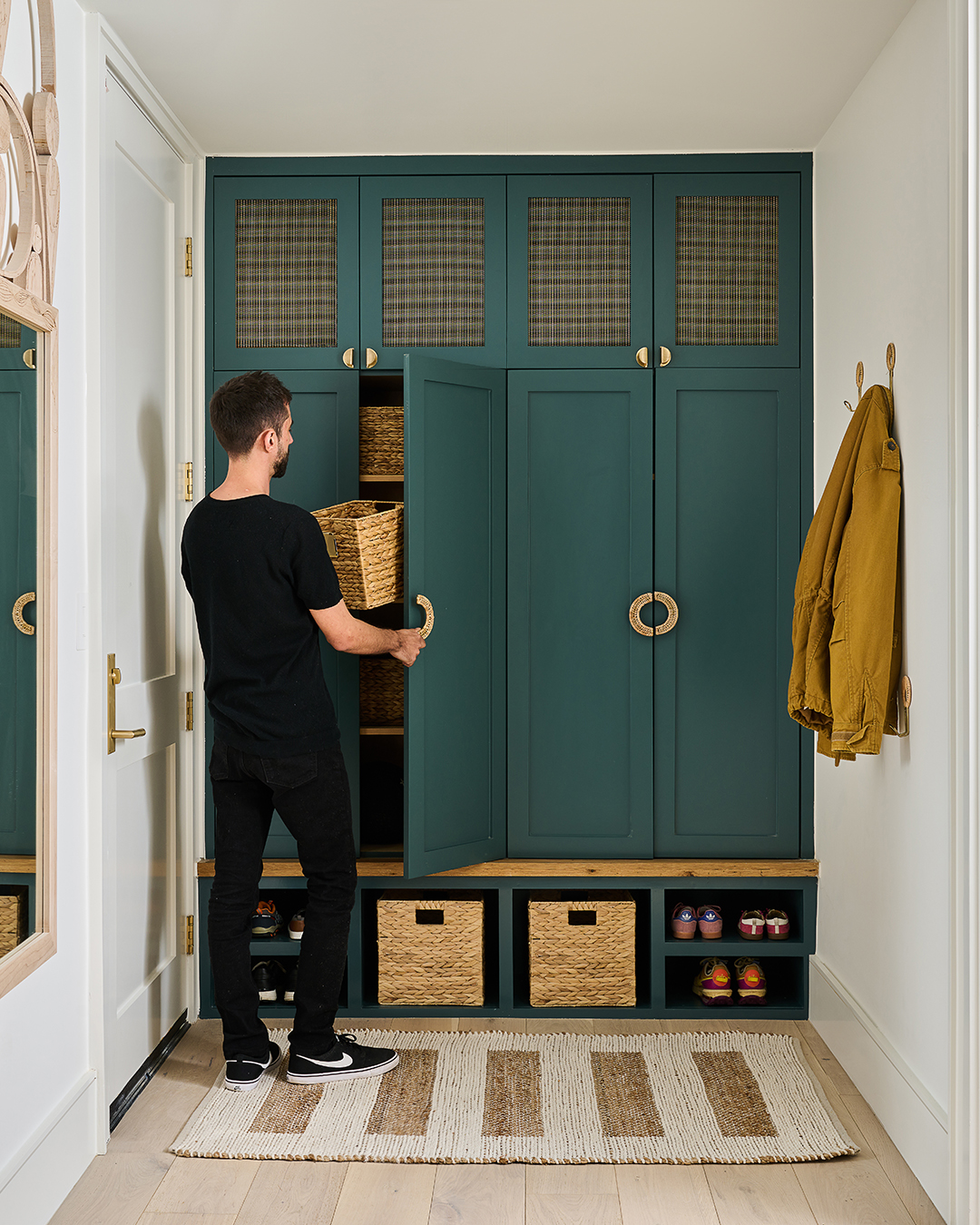

September is National Preparedness Month, and we thought it would be a good time to share how we organize emergency supplies in our clients’ homes as well as our own.
We’ll walk you through how to take stock of what you have, create an organized system so you can find what you need quickly, and keep the essentials up to date.
Start with the Essentials
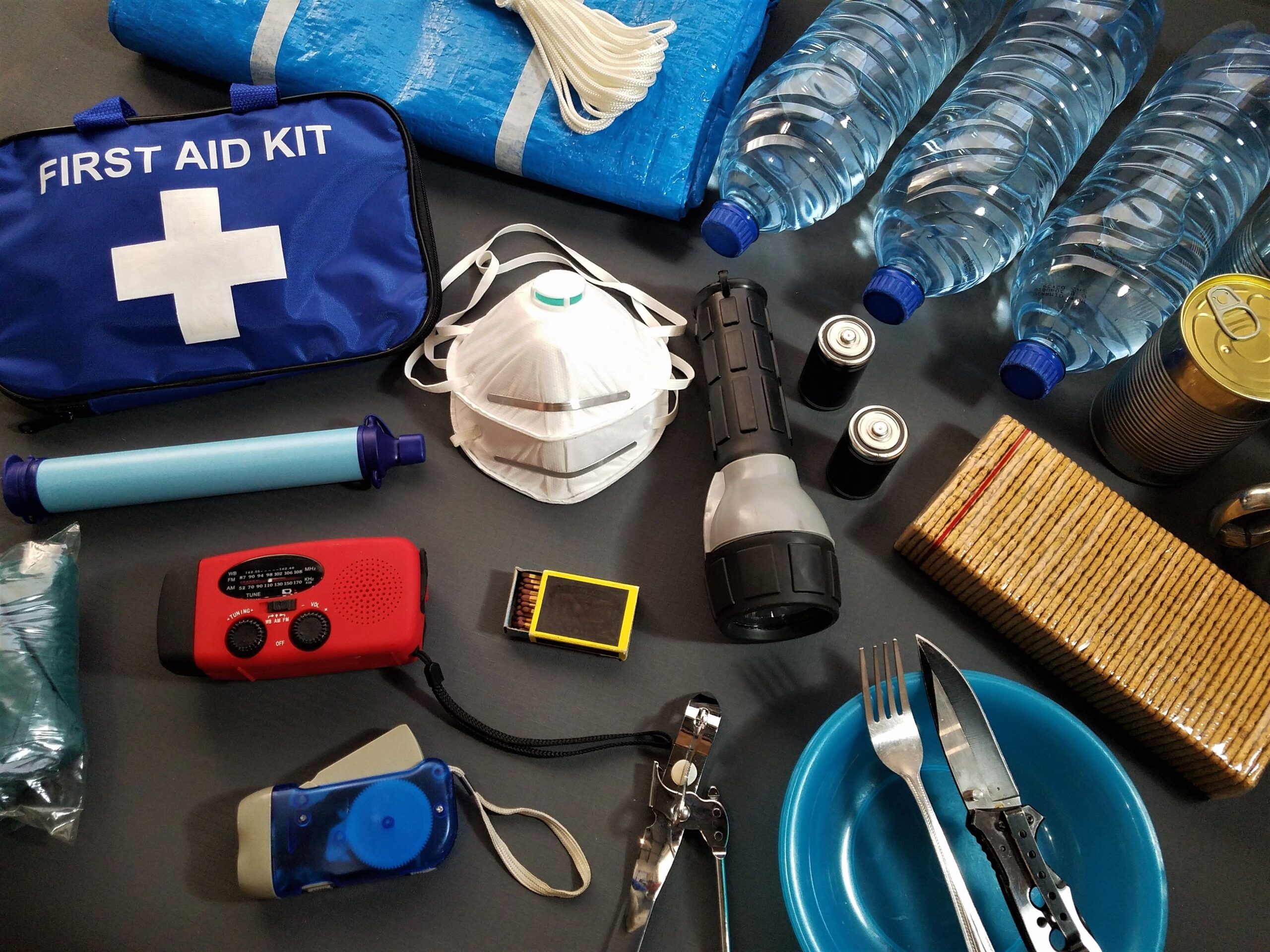
Begin by taking inventory of what you have and what you may be missing. The American Red Cross recommends keeping basic emergency supplies, including:
- Water and nonperishable food
- Flashlights and extra batteries
- Battery-powered or hand-crank radio
- First aid kit, medications and medical supplies
- Multipurpose tool
- Sanitation and personal hygiene supplies
- Copies of important documents
- Emergency contact information and extra cash
Every household is different, so be sure to include anything specific to your family’s needs, including supplies for children, pets, older family members, or anyone with medical needs.
Keep Emergency Essentials Close at Hand
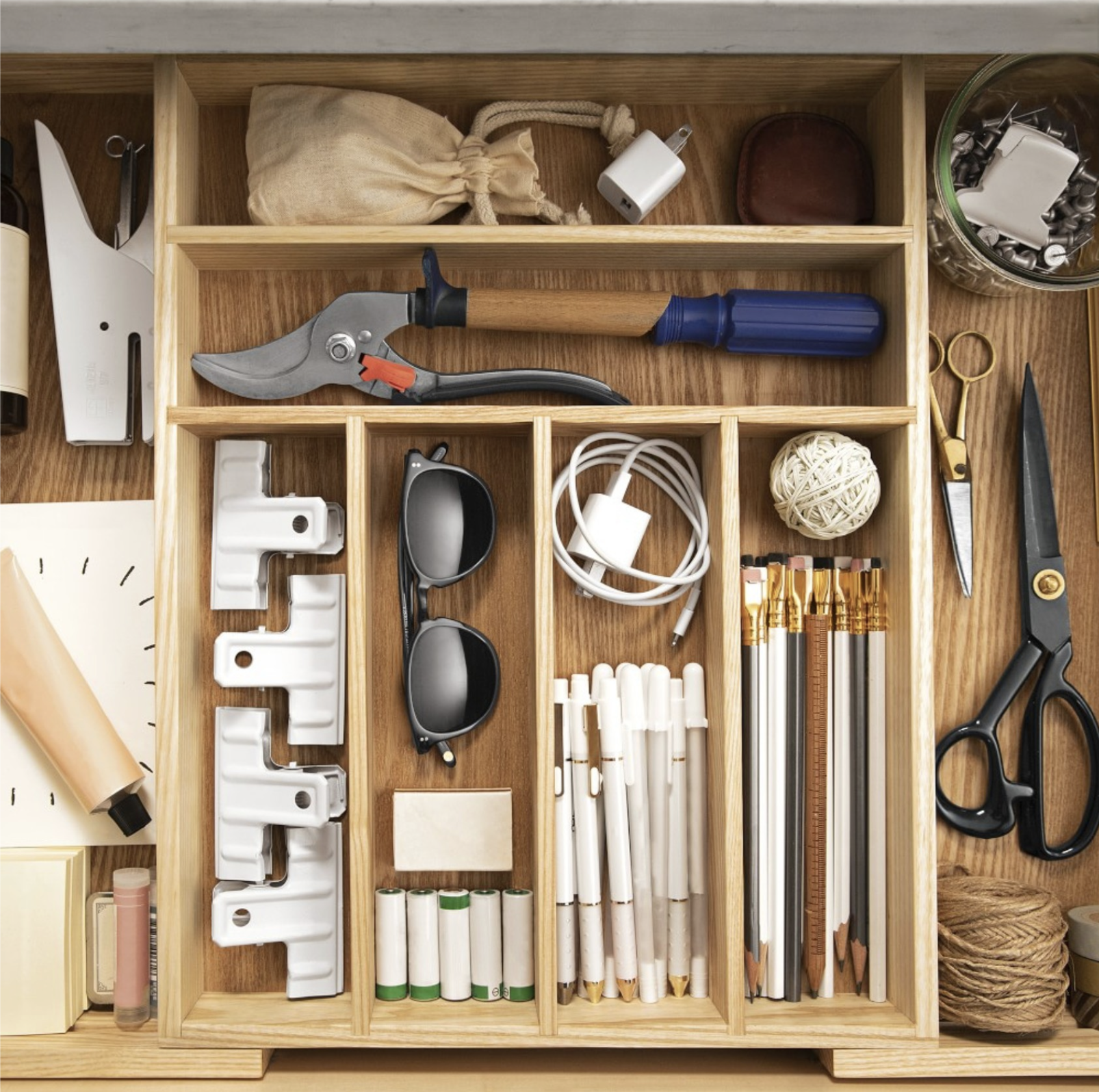
Designate an easy-to-access drawer or cabinet for items you might need right away, such as flashlights, extra batteries, matches or a utility lighter, and a portable power bank. Make sure everyone in the household knows where to find these essentials.
To keep drawers organized, we like using Everything Drawer Organizers or Stackable Bamboo Drawer Organizers. Clear bins can keep emergency supplies at the ready in cabinets.
Store Your Emergency Supplies
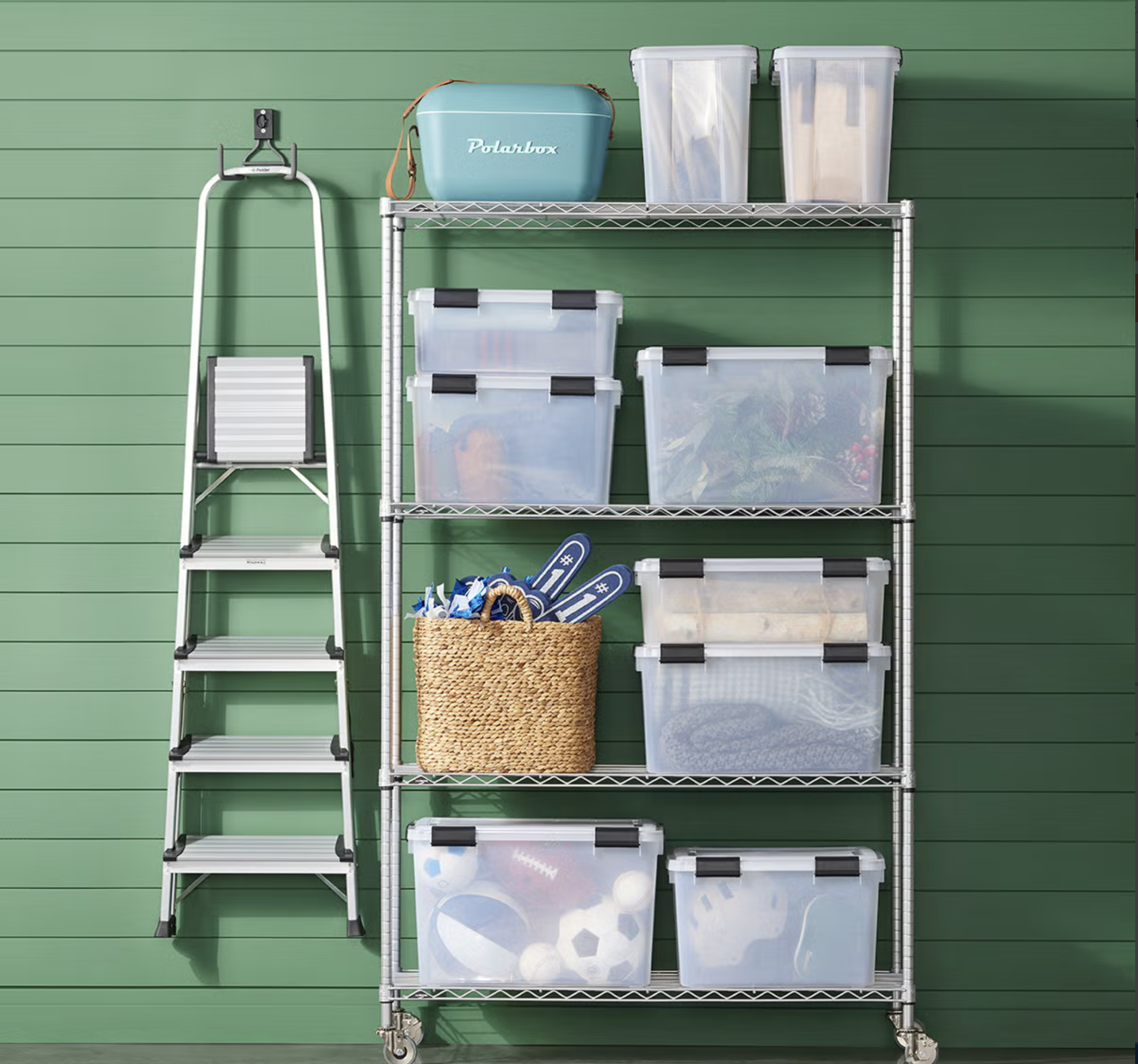
We recommend weathertight totes for storing emergency supplies. They help protect contents from moisture and come in a range of sizes, so you can choose bins that are manageable for one person to lift and carry.
Organize and label totes by category, such as food, first aid and medications, and emergency tools and equipment. Smaller bins can be placed inside larger totes to help keep loose items contained and easy to find.
Shelving can help keep totes organized and easy to access. Husky 4-Shelf Industrial-Duty Garage Shelving and Metro Commercial Industrial Shelving are both great options. Remember to store heavier items on lower shelves.
Keep a Grab-and-Go Kit
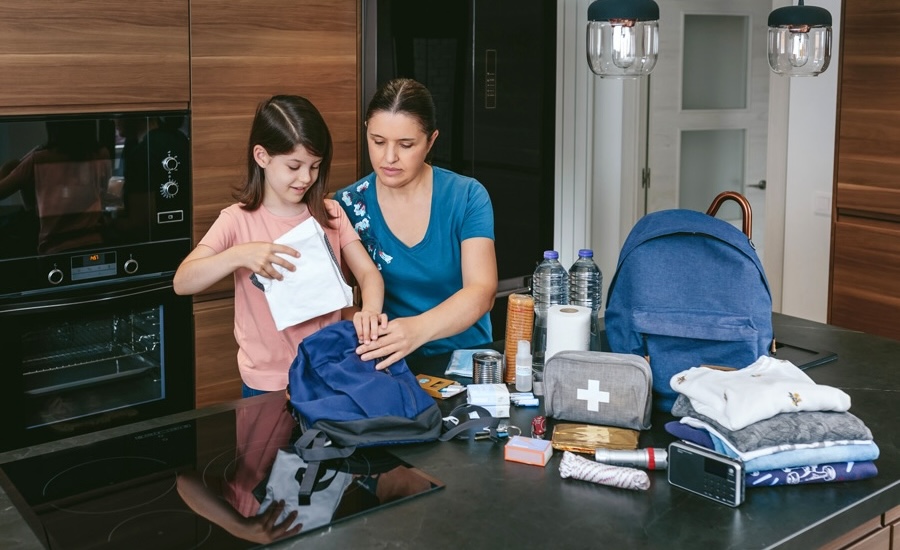
In case you need to leave home quickly, keep a smaller group of essential supplies together in an easy-to-carry bag or container. Include medications, copies of important documents, a portable power bank, emergency contact information, cash, a flashlight, basic first aid supplies, water and shelf-stable food.
If you have pets, be sure to include their essentials too, such as food, medications, identification and a leash or harness.
Make a Plan for Water
The American Red Cross recommends one gallon of water per person, per day, with a three-day supply for evacuation and a two-week supply for home. That can add up quickly, so finding a practical place to store it is important.
For larger households, we like the Reliance Aqua-Tainer 7-Gallon Water Container and the AquaBrick Food and Water Storage Container, which is stackable. The Reliance Fold-A-Carrier 5-Gallon Collapsible Water Container is a flexible option for smaller spaces.
Water gets heavy quickly, so keep larger containers low and somewhere they’re easy to access. If you fill your own containers for emergency water storage, label each one with the date it was filled. The CDC recommends replacing water that isn’t commercially bottled every six months.

Keep It Current
Once your emergency supplies are organized, set a recurring reminder twice a year to check expiration dates, rotate food, review medications and first aid supplies, test flashlights, replace batteries, recharge power banks, and update important documents.
Your twice-yearly reset is also a good time to replace water you’ve stored yourself. Keep expiration dates and storage dates visible, and place anything that needs to be used or replaced sooner toward the front.
Finally, take a quick look at the entire system and make sure everything is still organized, labeled, and easy to access.
Ready When You Need It
Getting your home ready for an emergency can feel like a lot. We get it. Start with one category, like food and water, and build from there.
And if you’d like some help sourcing and organizing emergency supplies, we’re here for you. Reach out to get started.
Please note: Some products featured by Cary Prince Organizing include affiliate links that earn us a commission at no additional cost to you. We only feature products we genuinely love, use, and want to share. All opinions expressed are our own.


Comments +